Advice
Do You Need a Permit for a Pool in Ontario? Municipal Rules and Planning Checklist
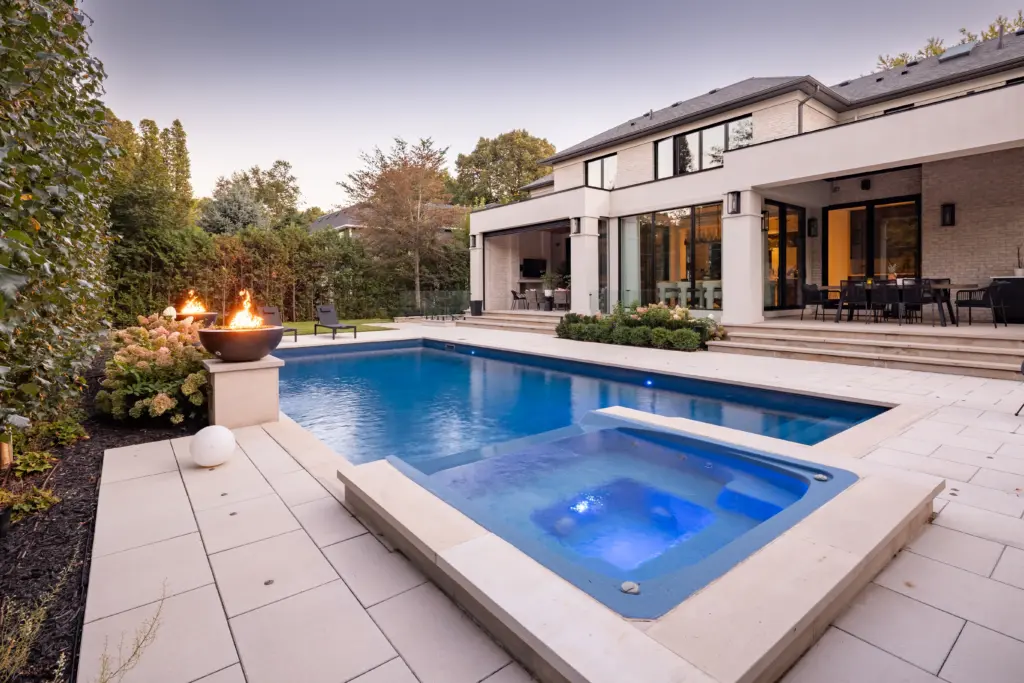
If you are planning a new swimming pool in Niagara, a permit is as important as the shape and finish of the pool.
In most cases, yes – a new swimming pool in Niagara requires a municipal pool, enclosure or related approval before installation. In addition, the exact permit can differ by municipality and project. Depending on where you live and what you are building, the approval may cover the pool enclosure, fence, pool location, grading, site work, or related work such as decks, electrical equipment or gas heaters.
Therefore, this guide explains those local differences, the practical costs and timelines to expect, common planning terms, who handles the application, and the inspection steps that may apply before you fill a pool.
QUICK ANSWER – In most cases, yes. A new pool in Niagara typically requires a municipal pool-related permit, enclosure permit or other approval before installation. However, the permit name, fees, review time, required drawings and inspection steps vary by municipality and project.
1. Is There One Pool Permit for the Entire Niagara Region?
No. Local municipalities administer pool approvals. In addition, Niagara municipalities use their own zoning, fencing, pool-enclosure, grading and site rules, so the permit name and requirements are not identical across the region.
Therefore, a permit may apply to the pool itself, the enclosure, a deck, grading, site work or another part of the project. Before work begins, confirm which approvals apply to your specific pool and property and submit the required applications. The practical question is not simply whether you need a permit, but which approvals apply to the pool and related work on your property.
2. What Type of Pool Permit or Approval Might I Need?
You may need one permit or several related approvals, depending on the project. Niagara municipalities do not all use the same terminology. For example, you may encounter:
- A pool permit
- A swimming-pool enclosure or fence permit
- A building permit
- A grading, drainage or site-related approval
- An approval involving another authority because of septic systems, conservation-regulated land, easements, roads or other property constraints
However, a permit for one part of the project does not automatically replace every other approval. Municipal staff may review some approvals together, while separate departments or agencies handle others.
3. Do Inground and Above-Ground Pools Follow the Same Rules in Niagara?
No. Inground and above-ground pools do not always follow the same rules. For example, municipal definitions can use water depth, pool-wall height or construction type to determine when enclosure requirements apply.
In addition, above-ground pools often require permits or pool-enclosure approval and do not automatically qualify for an exemption. Pelham requires permits for both above-ground and inground pools, while St. Catharines and Fort Erie use water-depth thresholds as part of their pool rules.
Also, if the project includes a deck around an above-ground pool, the deck can trigger a separate building-permit requirement depending on its design.
4. What Do Setbacks, Easements, Locates and Grading Mean for a Pool Project?
These property conditions can affect where the pool can go, how you install it and which approvals apply. However, you do not need to have every detail solved before requesting a quote. These items become important as the layout develops:
- Setbacks: the minimum required distance between the pool or equipment and a property line, house, street or other feature. As a result, setbacks can change the pool size, orientation and equipment location.
- Easements: areas where a municipality, utility or another party has legal access rights. Therefore, you cannot build a pool over an active easement, and an easement can reduce the usable area of the backyard.
- Grading: the slope and elevation of the land and the way water drains across the property. For example, pool excavation, fill, patios or retaining walls can change drainage and may trigger a grading or site-related review.
- Utility locates and construction access: locates identify buried infrastructure before digging, while access determines how excavation equipment reaches the backyard. As a result, both can affect the pool layout and construction plan.
- Pool enclosure: existing fences, gates and doors may form part of the required pool enclosure. However, they must meet the applicable safety requirements.
- Equipment location: pumps, filters and heaters can have separate setback, access or noise requirements. Therefore, these requirements can affect where you place the equipment pad.
- Related structures: decks, retaining walls, cabanas, sheds or other structures may require separate approvals depending on the project.
- Other site constraints: septic systems, conservation-regulated land, shorelines, floodplains and trees can affect where you can build. In addition, another authority may need to review the project.
In particular, these factors are important in Niagara because urban, rural and lakeshore properties can have very different site conditions.
5. Do I Need Utility Locates, Electrical Approval or Gas Work for a Pool?
Yes. The excavator or party responsible for digging must obtain the applicable utility locates before excavation and review them before work begins. Electrical and gas work must also follow the applicable provincial safety requirements.
In addition, electrical work for pool equipment, bonding, lighting or related systems must follow the Ontario Electrical Safety Code. The Electrical Safety Authority says almost all electrical work requires a notification of work, and a Licensed Electrical Contractor must complete hired electrical work.
Finally, if a project includes natural-gas or propane equipment, use an appropriately registered fuels contractor. TSSA states that registered fuels contractors are the businesses legally authorized to perform fuels-related work in Ontario.
6. How Much Does a Pool Permit Cost in Niagara?
There is no single Niagara-wide pool permit fee. Instead, costs vary by municipality, pool type and any deposits or additional approvals that apply to the project.
For example, current published examples show the range: Niagara Falls lists a $236 pool permit fee, with a $500 deposit for above-ground pools and a $750 deposit for inground pools. Fort Erie lists a $205 permit fee plus a $500 municipal protection deposit for above-ground pools. Pelham lists a $279 pool permit fee plus a $500 security deposit.
In addition, separate fees can apply for items such as decks, grading, engineering, conservation approvals or other related work. Municipal fee schedules can change from year to year.
7. How Long Does Pool Permit Approval Take in Niagara?
There is no standard approval timeline across Niagara. Instead, processing time depends on the municipality, application volume, project complexity and whether another department or agency must review the property.
For example, West Lincoln currently advises that its swimming pool permit process takes about three weeks. Other municipalities may be faster or slower, and projects that require additional grading, conservation, septic or other approvals can take longer.
8. Who Handles the Pool Permit Application?
For Boldt Pools & Spas inground installations, the experienced sales team handles the required pool permit paperwork as part of the installation process. For above-ground projects, the Boldt team can help explain the permit requirements and next steps.
However, the municipality remains the approval authority. Some related work – such as a separate deck, conservation approval, electrical work or gas equipment – can also involve an additional permit, agency or licensed trade.
9. Are Inspections Required Before Filling the Pool?
Often, yes. Many municipalities require an inspector to review the pool enclosure or another stage of the work before you add water.
For example, Niagara Falls does not allow you to fill a pool before the required inspection. Its pool-permit process includes a pool-enclosure inspection and, for inground pools, a site-grading/final inspection. West Lincoln also requires final inspection and approval before you add water to the pool.
Therefore, do not assume you can fill the pool as soon as construction is complete. Complete the required pre-fill approval or inspection whenever the local process requires it.
10. How Do Pool Permit Requirements Differ Across Niagara?
Permit type, application scope and related approvals differ by municipality. For example, the table below provides current examples across Niagara. However, rules and fees can change, and site-specific conditions may add requirements.
| Municipality | What the official source says | Official source |
|---|---|---|
| St. Catharines | In general, the City requires a pool-enclosure permit for all inground pools and above-ground pools capable of holding more than 0.6 m (about 24 in.) of water. | Municipal guidance |
| Niagara Falls | The City requires pool enclosures/fences around pools with a water depth of 305 mm (12 in.) or greater, and its by-law prohibits excavation or erection without the required permit. | Municipal guidance |
| Welland | The City requires a swimming-pool enclosure permit for pools capable of holding more than 0.61 m (2 ft) of water. | Municipal guidance |
| Port Colborne | The City requires a pool permit for the installation of any private pool. | Municipal guidance |
| Fort Erie | The Town requires a pool permit for pools/private spas containing water 0.6 m (24 in.) deep at any point, subject to the Town’s stated same-location reconstruction exception. | Municipal guidance |
| Pelham | The Town requires permits for both above-ground and inground pools and also publishes pool-fencing requirements. | Municipal guidance |
| Thorold | The City lists swimming pools among projects that require a building permit. | Municipal guidance |
| Lincoln | The Town’s swimming-pool by-law requires an application and permit before anyone excavates for or erects a privately owned outdoor swimming pool. | Municipal guidance |
| West Lincoln | The Township requires a pool permit where the pool holds more than 610 mm of water and requires an inspection before you add water. | Municipal guidance |
| Niagara-on-the-Lake | The Town requires building permits for inground and above-ground pools. | Municipal guidance |
| Wainfleet | The Township zoning by-law regulates pool location and requires fencing in accordance with the Township fence by-law; confirm the current permit/approval route with Township staff before construction. | Municipal guidance |
11. What Is the Pool Planning and Permit Process?
Start with the pool conversation – you do not need to have every permit detail figured out before requesting a quote. Instead, you can develop the planning and permit information as the project becomes more specific.
- Talk about the pool you want. First, start with the pool type, approximate size, features and how you want to use the backyard.
- Share the property information you already have. Next, share your address. A survey or site plan is helpful if it is available, but you do not need to delay a quote if you do not have one yet.
- Review the proposed location and property constraints. Then, as the layout develops, consider setbacks, easements, septic systems, grading, construction access, fencing and equipment location.
- Develop the pool layout and permit information. Once the project is defined, the project team can prepare the drawings and information that the permit application requires.
- Complete the applicable permit process. For Boldt inground installations, the sales team handles the required pool permit paperwork. However, separate approvals may still apply to related work outside the pool permit.
- Arrange utility locates and required trades. Before digging, the excavator must obtain the required locates, and qualified trades must complete electrical or gas work in accordance with the applicable rules.
- Complete the required inspection stage before filling. Finally, where a municipality requires a pre-fill enclosure inspection or approval, complete that step before adding water.
12. How Does Boldt Pools & Spas Help With Planning and Permits?
Boldt Pools & Spas’ experienced team can help make the process easier from the first pool conversation through the permit stage. In addition, property access, setbacks, enclosure options and related site work can influence what fits and how you should plan the project.
For inground installations, the Boldt sales team handles the required pool permit paperwork as part of the installation process. For above-ground projects, our team can help explain the permit requirements and next steps. Therefore, bring your property address and, if available, a survey or site plan – but you do not need to have every detail resolved before speaking with us.
Ready to Start Planning Your Pool?
Bring your property address and, if available, a survey or site plan. Then, Boldt Pools & Spas’ experienced team can help you understand what fits, guide the permit process for an inground installation and make the next steps easier.
TALK TO A BOLDT POOL SPECIALISTFrequently Asked Questions
Do I need a permit for an inground pool in Niagara?
Yes. Niagara municipalities require inground pool projects to obtain a pool-related municipal permit or approval. However, the exact permit name and process differ by municipality.
Do above-ground pools need permits in Niagara?
Yes – above-ground pools often require a permit or pool-enclosure approval. For example, requirements can depend on water depth, wall height and enclosure design, so do not assume that an above-ground pool qualifies for an exemption.
Is there one Niagara Region pool by-law?
No. Instead, local municipalities administer their own pool, enclosure, fence and zoning requirements, so the exact approval process depends on where the property is located.
Does an existing fence mean I can skip the permit?
No, not necessarily. For example, a municipality may still require a pool-enclosure permit so municipal staff can review the existing fence and gates for compliance.
What if my property has a septic system?
A septic system can affect where you locate the pool. Therefore, the pool layout must respect the applicable septic setbacks and any municipal or regional review requirements before construction proceeds.
Do I need utility locates before pool excavation?
Yes. Before excavation begins, the excavator or party responsible for digging must obtain and review the applicable utility locates.
Can Boldt help me plan what information I need?
Yes. Boldt Pools & Spas’ experienced team can help with the property and pool-planning discussion. In addition, for inground installations, the sales team handles the required pool permit paperwork as part of the installation process. However, the municipality remains the authority that issues the approval.
Can a pool be built over an easement?
No – you cannot build a pool over an active easement. As a result, an easement can restrict construction and access. If the appropriate party formally releases an easement, the project team can then reconsider the affected area as part of the project.
Does a pool deck need a separate permit?
Possibly. For example, deck permit requirements depend on the municipality, deck height, size and how the deck connects to the pool or house. A pool approval does not automatically cover a separate deck.
Who should I contact first about pool permits?
You can start with a Boldt Pools & Spas pool specialist. Our team can help with the property and pool-planning discussion. In addition, for inground installations, Boldt handles the required pool permit paperwork. However, the municipality remains the authority that issues the approval.
How much does a pool permit cost in Niagara?
There is no single Niagara-wide fee. For example, current examples include a $236 pool permit fee in Niagara Falls, a $205 above-ground pool permit fee in Fort Erie and a $279 pool permit fee in Pelham. Those municipalities also apply deposits in the examples above.
How long does a pool permit take to approve?
There is no standard Niagara timeline. For example, West Lincoln currently advises that its swimming pool permit process takes about three weeks, while projects with additional approvals can take longer.
Who submits the permit application for a Boldt pool?
For Boldt inground installations, the sales team handles the required pool permit paperwork as part of the installation process. For above-ground projects, however, the team can help explain the permit requirements and next steps.
Can I fill the pool before the enclosure inspection or approval?
Not when a municipality requires pre-fill approval. For example, Niagara Falls and West Lincoln both require the applicable pool inspection or approval before you add water.
What is a pool setback?
A setback is the minimum required distance between the pool or equipment and another property feature, such as a property line. As a result, setbacks can affect the final size, orientation and location of the pool.
What does grading mean when installing a pool?
Grading describes the slope and elevation of the property and how water drains across it. Because pool excavation and landscaping can change drainage, some projects require grading review or additional site approval.
Important planning note: Municipal rules, fees, forms and by-laws can change. Therefore, it is advised to check your municipality’s website for updated regulations.